What Makes Oticon Hearing Aids Different from Other Brands?
If you’ve shopped for hearing aids, or even just started researching, you’ve probably noticed something: most brands promise the same outcomes. Clearer speech. Better hearing in noise. Easier phone streaming. Rechargeable convenience.
So what actually makes Oticon different?
In my experience writing for audiology practices, the clearest differentiator isn’t a single feature. It’s a philosophy that shows up in the sound you hear, the effort you spend listening, and how well your hearing aids fit into real life.
Oticon is known for a “brain-first” approach they call BrainHearing™, built around the idea that hearing care should support how your brain naturally makes sense of sound, not just amplify it.
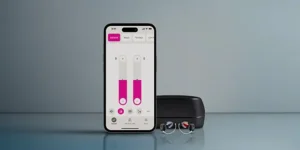
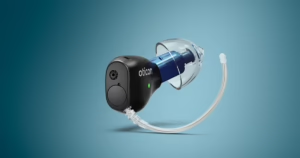
And now Oticon has pushed that philosophy into an entirely new form factor with the Oticon Zeal, a discreet in-the-ear style designed to deliver premium sound and modern connectivity without forcing you into a bulky behind-the-ear look.
Let’s break down what that really means, and how to decide whether Oticon is the right fit for your ears, your lifestyle, and your goals.
Why does Oticon talk so much about the brain?
Most people assume hearing happens in the ears. The truth is, hearing happens in the brain.
Your ears collect sound, but your brain sorts it, deciding what matters, what’s background, what’s speech, what’s dangerous, what’s irrelevant. When you have hearing loss, your brain gets an incomplete sound picture and has to work harder to fill in the gaps.
Oticon’s BrainHearing™ concept is built on supporting the brain’s sound processing by giving it access to a fuller sound environment. Oticon positions this as a guiding philosophy behind their hearing aid development.
Practically, this “brain-first” approach tends to show up in two ways:
A focus on sound balance, not just speech boosting
Reducing listening effort, especially in complex environments
Other brands also use advanced processing and noise management, of course. But Oticon’s messaging, and often their fitting strategy, leans toward preserving a more complete sound scene so the brain can do what it’s good at.
Are Oticon hearing aids designed to let you hear more (not less)?
Here’s where Oticon often differs from the “traditional” approach.
Many hearing aids heavily reduce background noise to spotlight speech. That can feel helpful at first, but it can also make sound seem unnatural or “hollow.” Some people describe it as if the world got smaller.
Oticon’s BrainHearing™ framing emphasizes access to the full sound scene, supporting natural awareness while still prioritizing clarity.
What does that mean day-to-day?
In a restaurant, you may still hear some surrounding activity (because real life is noisy), but speech should stay more accessible.
Outdoors, you may notice environmental cues, traffic, footsteps, birds, without everything being flattened or erased.
In group settings, you’re less dependent on one “perfect” talker directly in front of you.
This doesn’t mean Oticon ignores noise. It means their strategy often aims for clarity + context, not clarity at the expense of everything else.
How is Oticon’s sound processing different in real-world listening?
You’ll see a lot of phrases across brands, AI sound processing, adaptive directionality, speech-in-noise enhancements. Oticon uses those tools too, but (again) the differentiator is often the “why” behind the settings.
With the Oticon Zeal specifically, Oticon describes it as combining premium sound quality with advanced features and “second-generation AI sound processing” in a new, discreet ITE format.
In practical terms, Oticon wearers often care about:
Sound that feels less “processed”
More stable clarity when the sound environment changes quickly
Less fatigue at the end of the day
But the truth is blunt: your fitting matters as much as the hardware.
A great hearing aid fitted poorly can underperform. A great hearing aid fitted with precision can feel like a completely different product.
That’s why your provider’s approach is part of the “brand experience”, and why the audiology relationship is not a side note. Listen Hear Diagnostics was founded specifically around spending more time with patients and tailoring fittings and services around precision and customization.
Does Oticon do anything special for speech in noise?
Speech-in-noise is the complaint that drives most people to seek hearing help.
Oticon’s approach is built around helping the brain separate and prioritize speech while maintaining broader environmental awareness, rather than muting everything that isn’t speech. This aligns with their BrainHearing™ framing about supporting the brain’s natural processing.
What you should expect in a fitting process is not a magic “speech in noise” switch, but a set of decisions:
How much noise reduction is comfortable for you
How aggressive directionality should be in your typical environments
How your brain responds to a fuller vs. more filtered sound scene
Whether you do better with more awareness, or more suppression
Some patients love a very “quiet” sound. Others feel boxed in by it. One of the most valuable parts of working with an audiologist is dialing this in using your feedback, real-world trials, and follow-up fine-tuning.
What makes the Oticon Zeal a meaningful new option?
If you’ve wanted hearing aids to be more discreet, but worried that “small” means “less powerful” or “less connected”, the Oticon Zeal is aimed directly at that trade-off.
Oticon describes the Zeal as a new in-the-ear style designed so users don’t have to choose between discreetness and full functionality.
So what is Zeal, exactly?
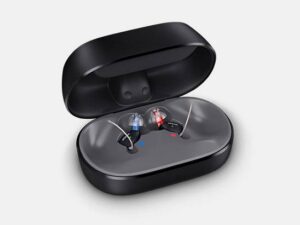
Oticon markets the Zeal as a highly discreet In-the-Ear (ITE) solution that still includes premium sound processing, rechargeability, and connectivity.
A Zeal-focused product site also highlights an “encapsulation” approach designed to make the device robust and moisture resistant, noting an IP68 rating.
And independent coverage reinforces what this new style is trying to accomplish:
A shift for Oticon toward a much more discreet in-the-ear design
Very small size and near-invisible wearability
Rechargeable case-based charging and real-world battery observations (varies by user)
HearingTracker’s overview of Zeal also notes modern connectivity features like Bluetooth LE Audio and Auracast support.
Who tends to love a product like Zeal?
Zeal may be especially appealing if you:
Want discreet hearing aids without moving to a deep-canal custom product
Value phone streaming and connectivity as part of daily life
Want a modern rechargeability experience rather than disposable batteries
Prefer a style that feels less visible in social and professional settings
Who should think carefully before choosing Zeal?
An ultra-small ITE style can be less forgiving if you have:
Dexterity challenges (small devices can be harder to insert/remove)
Specific anatomical factors that affect physical fit and retention
A hearing loss profile that benefits more from a traditional RIC/BTE setup (your audiologist can guide this)
Bottom line: Zeal is exciting, but it still needs to be matched to the person, not the trend.
Is Oticon better at connectivity than other brands?
Connectivity has become a deciding factor for many patients: calls, video meetings, music, TV streaming, app control, and quick pairing.
Oticon Zeal is promoted as supporting streaming and connectivity across common devices, and the independent review coverage emphasizes modern pairing and broadcast-ready tech like Auracast (where supported).
What matters clinically is not just whether a hearing aid can connect, but whether it:
Connects consistently
Sounds good during calls
Fits your phone ecosystem (iPhone vs Android)
Matches your expectations for hands-free use and streaming quality
This is another place where a reputable audiology practice adds value: you’re not just “buying hearing aids,” you’re building a hearing system that works with your life.
Are Oticon hearing aids only about technology?
No, and this is where the best practices stand out.
Hearing aids don’t succeed because they’re advanced. They succeed because:
They’re fit correctly to prescription targets
They’re adjusted based on real-world feedback
You get coaching on expectations and adaptation
Your hearing health is monitored over time
Listen Hear Diagnostics emphasizes individualized care, routine checkups, and tailoring fittings and services around precision and customization, exactly what most people need for long-term success.
Technology is the tool, but the process is what makes the difference.
How do you know if Oticon is the right brand for you?
The best way to decide isn’t to read more comparison charts, it’s to answer a few direct questions:
Do you want your hearing aids to preserve more environmental awareness, rather than aggressively filtering sound?
Do you struggle most in noise, in groups, or with clarity at a distance?
Do you care deeply about discretion, enough that an ITE like Zeal changes your willingness to wear hearing aids consistently?
Do you stream calls and media daily, or is connectivity just “nice to have”?
Are you willing to do the follow-ups that turn a good fitting into a great outcome?
When those answers are clear, an audiologist can match you to the right style, power level, and feature set, whether that ends up being the Zeal or another Oticon model that better fits your hearing profile.
Ready to hear the difference for yourself?
If you’re intrigued by Oticon, especially the promise of a brain-first sound strategy and the discreet, full-featured design of Oticon Zeal, the next step is simple:
Schedule a hearing evaluation and consultation with an audiologist who can test, fit, and fine-tune based on your specific needs.
Book your appointment with Dr. Emily Esca at Listen Hear Diagnostics where you can ask about the Oticon Zeal and whether it fits your hearing loss, ear anatomy, lifestyle, and listening goals.
If you’ve recently been diagnosed with hearing loss, or you’re helping a loved one navigate hearing care, you’ve probably run into this question: Why do
Over‑the‑counter (OTC) hearing aids are everywhere now, from pharmacies to big‑box stores and online carts. Meanwhile, prescription hearing aids keep advancing with smarter chips and